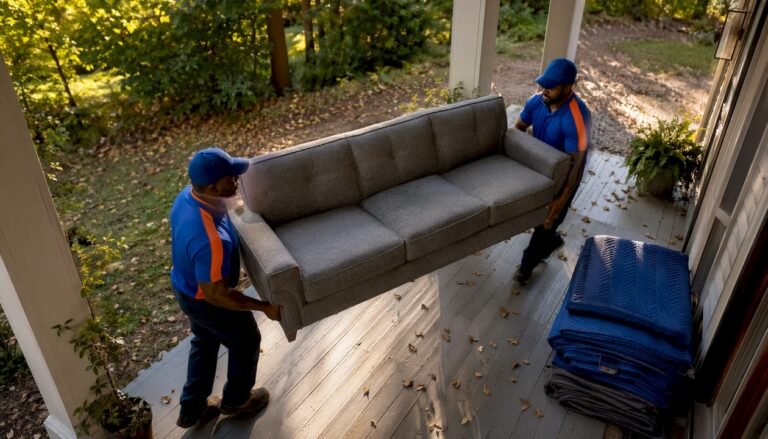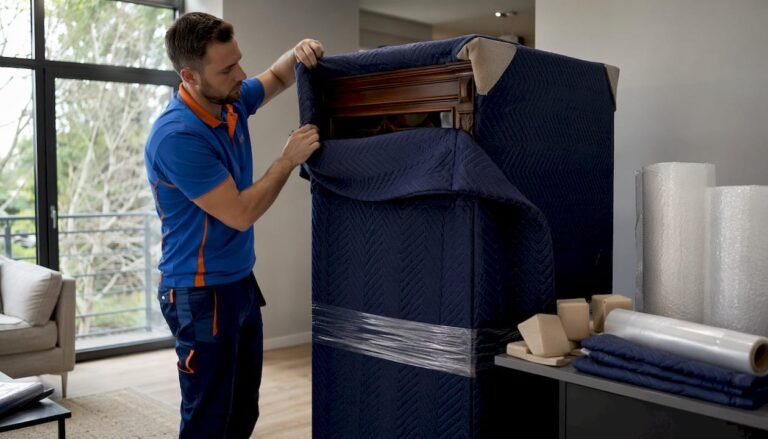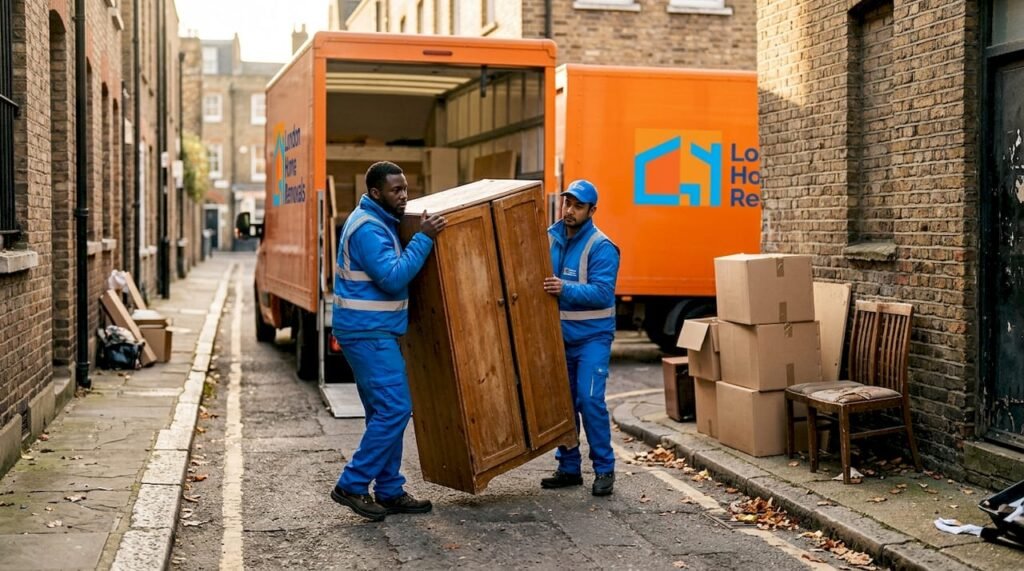
Arranging furniture removal for an empty property means selecting a professional clearance service, complying with legal notice requirements, and documenting every step to protect your interests as a landlord. Done correctly, the process gets your property back on the market faster and keeps you on the right side of the law. Tenant-abandoned furniture delays unit turnover 30–40% of the time, making prompt, organised clearance one of the most financially significant tasks in property management. This guide covers the legal obligations, service options, preparation steps, and common pitfalls every landlord needs to know.
What legal requirements must landlords meet before arranging furniture removal?
The legal term for this process is “abandoned property disposal,” and it carries strict obligations. You cannot simply remove a tenant’s furniture the moment they leave. Waiting periods range from 72 hours to 30 days depending on your jurisdiction, and acting before that window closes exposes you to wrongful conversion claims.
The standard procedure requires you to send a formal “Notice of Abandoned Property” to the tenant’s last known address and any forwarding address on file. This notice must be sent by recorded or certified post. Keep the proof of postage. If the tenant does not respond within the statutory period, you may proceed with clearance.
Documentation is your strongest legal protection throughout this process. Before touching a single item, photograph every room with timestamped images. Capture the condition of furniture, any damage, and the volume of items left behind. Photos, receipts, and formal notices form the core of your defence in any deposit dispute or legal challenge.
Deposit deductions for removal costs are permitted in most tenancies, but only with the right paperwork. An itemised statement must be sent within 14–30 days of the move-out date, accompanied by photographic evidence and vendor invoices. Without this, a deposit scheme adjudicator will almost certainly rule against you.
Key steps before any clearance begins:
- Send a written “Notice of Abandoned Property” by recorded post
- Wait the full statutory period (72 hours to 30 days depending on location)
- Photograph all rooms with timestamped images before removal
- Obtain itemised invoices from your removal service
- Send a formal deposit deduction statement within the required timeframe
Pro Tip: Include a clause in your tenancy agreement that defines what constitutes abandoned property and specifies the tenant’s responsibility for removal costs. This clause strengthens your position significantly if a dispute reaches adjudication.
What types of furniture removal services are available for landlords?
A furniture removal service is defined as a professional operation that collects, transports, and disposes of furniture and bulky items from a property. For landlords, the right service type depends on the volume of items, access constraints, and how quickly you need the property cleared.

Professional services typically include pre-clearance walk-throughs, dismantling bulky items, responsible loading, and transport to recycling or donation centres. They also provide volume-based flat rates and itemised digital receipts, which are essential for deposit deduction documentation.
The four main service types available to landlords are:
- Full-service clearance: A team handles everything from assessment to disposal. Best for large volumes or properties with difficult access. Costs more but saves significant time.
- Man and van: A driver and one or two assistants collect and transport items you have already sorted. Suited to smaller clearances or when you need to move furniture between rental properties rather than dispose of it.
- Kerbside or curbside collection: Items are placed outside for collection. Low cost but limited to certain item types and council schedules. Not reliable for urgent turnarounds.
- Municipal bulky waste collection: Free or low-cost council service, but booking slots can be weeks away. Unsuitable if you need fast empty property clearance.
Ethical disposal partnerships with charities and recycling centres can also provide tax-deductible receipts and improve your reputation with letting agencies. Many professional services now prioritise sustainable removal practices as standard.
The most important feature to look for in any service is the provision of a Waste Transfer Note. Itemised Waste Transfer Notes document all removed items and their disposal routes. These are essential for proving regulatory compliance, supporting deposit disputes, and satisfying insurance requirements.
How to prepare your empty property for furniture removal
Preparation directly affects how quickly and cheaply the job gets done. A well-prepared property reduces the time a removal team spends on site, which lowers your cost and shortens your void period.
Follow these steps before the removal team arrives:
- Walk through every room and photograph all items to be removed. Note anything that requires dismantling, such as wardrobes, bed frames, or fitted shelving.
- Clear all access points. Remove obstacles from hallways, stairwells, and doorways. Check whether large items can exit through the front door or whether a window removal is needed.
- Identify items for donation or recycling separately from items destined for disposal. This speeds up the team’s sorting process on the day.
- Communicate property specifics to your removal service in advance. Mention narrow staircases, parking restrictions, or lift availability. Professional teams use electric tail lifts and power tools to handle bulky furniture safely, but they need to know what to expect.
- Book post-removal cleaning and minor repairs for the same day or the day after. Coordinating these tasks in parallel cuts your total void period significantly.
- Schedule removal early in the week. Monday or Tuesday bookings give you the full working week to complete cleaning, repairs, and photography before listing the property again.
Pro Tip: Use your pre-removal walkthrough to create a written inventory of all items removed. Cross-reference this against the removal company’s Waste Transfer Note when they finish. Any discrepancy is worth querying before you sign off.
Minimising void periods is financially critical. Even a single day of vacancy represents lost rental income, so every hour saved in the clearance process has a direct financial value. Treat the removal booking with the same urgency as finding a new tenant.
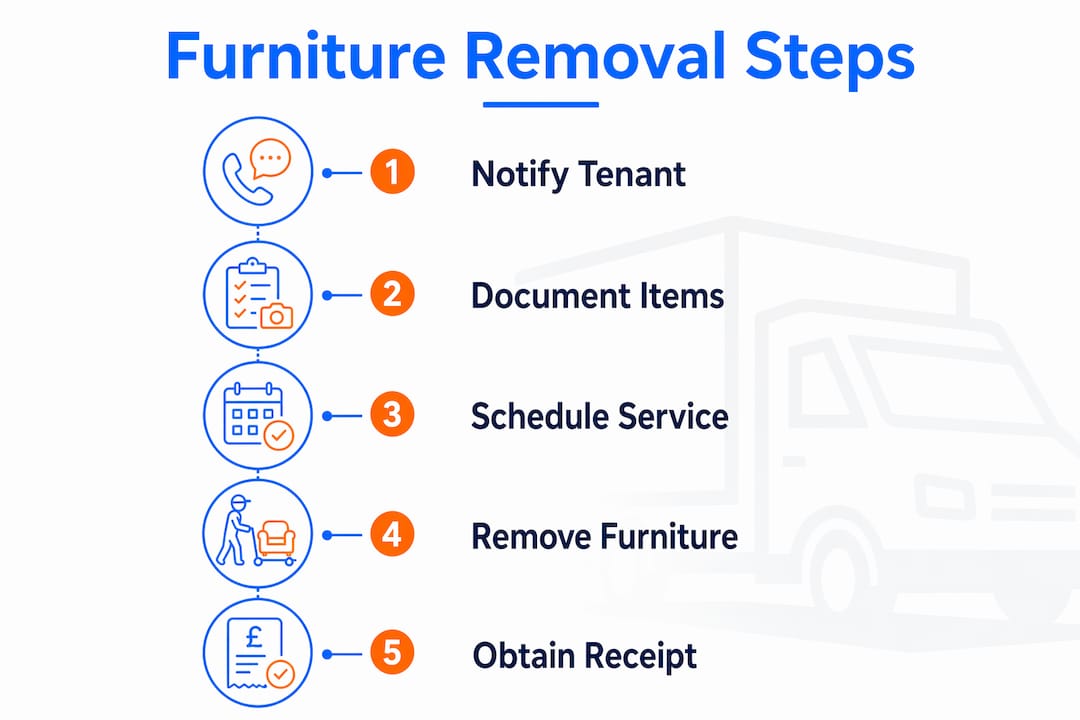
A useful resource for coordinating all turnover tasks is the West London moving checklist, which covers preparation steps relevant to landlords managing vacant properties.
What are the most common mistakes landlords make during furniture removal?
The single most costly mistake is acting too quickly. Premature disposal without legal notice is a frequent cause of wrongful conversion lawsuits. A tenant who returns after you have disposed of their belongings can pursue a civil claim, regardless of how little the items were worth.
The second most common error is inadequate documentation. Landlords who rely on memory or a single photo taken on a mobile phone often find themselves unable to justify deposit deductions. Timestamped images, formal notices, and third-party invoices are not optional extras. They are your evidence.
Logistical mistakes also cause delays and damage. Attempting to remove large furniture without professional equipment risks scratching floors, damaging door frames, and injuring people. Hiring professionals experienced in tight stairwells and difficult access reduces property damage and speeds turnover considerably.
Landlords who document every stage of the clearance process, from the initial notice to the final Waste Transfer Note, are far better protected in deposit disputes and far less likely to face legal challenges. The paperwork takes an hour. A court case takes months.
The four pitfalls to avoid are:
- Disposing of items before the statutory waiting period expires
- Failing to send formal written notice to the tenant
- Using a removal service that does not provide itemised receipts or Waste Transfer Notes
- Skipping the pre-removal photographic record of the property’s condition
Key takeaways
Arranging furniture removal from an empty property requires legal compliance, thorough documentation, and the right professional service to protect your investment and minimise vacancy time.
| Point | Details |
|---|---|
| Observe legal waiting periods | Wait 72 hours to 30 days before disposal and send formal written notice to the tenant. |
| Document everything | Use timestamped photos, itemised invoices, and Waste Transfer Notes as your legal protection. |
| Choose the right service type | Match the service (full clearance, man and van, or kerbside) to your volume and timeline. |
| Prepare the property in advance | Clear access points and communicate property specifics to reduce time and cost on the day. |
| Act fast to cut void periods | Tenant-abandoned furniture delays turnover 30–40% of the time; prompt removal saves money. |
Why I think most landlords underestimate the paperwork side of clearance
From working with landlords across West London, the pattern I see most often is this: the physical removal goes smoothly, but the documentation falls apart. A landlord books a van, clears the flat in a morning, and then discovers three weeks later that the tenant has disputed the deposit deduction. Without a formal notice, timestamped photos, and an itemised receipt, the adjudicator has little choice but to side with the tenant.
The physical part of furniture removal is genuinely straightforward when you use a reliable team. The legal and administrative side is where landlords lose money. Sending a recorded notice, taking a proper photographic record, and requesting a Waste Transfer Note adds perhaps two hours to the process. Those two hours can save you hundreds of pounds and weeks of dispute correspondence.
My honest advice: treat every clearance as if it will end up in front of a deposit scheme adjudicator. Build your paper trail from day one. The landlords I see handling this well are the ones who have a simple checklist they follow every single time, regardless of how straightforward the tenancy appeared to be.
Speed matters too. The longer a property sits empty, the more it costs you. Book your removal service the moment the statutory waiting period allows. Coordinate cleaning and repairs to run in parallel, not sequentially. The landlords who re-let fastest are not the ones with the nicest properties. They are the ones with the tightest processes.
— London
How Westlondonremoval helps landlords clear properties fast
Westlondonremoval provides fully insured man and van and full-service removal for landlords across West London, including Kensington and Chelsea, Hammersmith and Fulham, and surrounding areas. We offer same-day availability, volume-based transparent pricing, and itemised invoicing so you have everything you need for deposit deductions and compliance.

Every clearance includes a Waste Transfer Note and a full itemised receipt, giving you the documentation that protects you in any dispute. Our teams are experienced with narrow staircases, restricted parking, and bulky furniture dismantling. Whether you need a single room cleared or a full property emptied before re-letting, we make the process straightforward. Find out which service suits your property by reading our guide on man and van vs full removal, or get a quote directly at westlondonremoval.com.
FAQ
What is a furniture removal service for landlords?
A furniture removal service collects, transports, and disposes of furniture and bulky items from a property. For landlords, professional services also provide Waste Transfer Notes and itemised receipts needed for deposit deductions.
How long must I wait before removing a tenant’s furniture?
Legal waiting periods range from 72 hours to 30 days depending on your location. You must also send a formal written notice to the tenant before disposal.
Can I deduct furniture removal costs from a tenant’s deposit?
Yes, provided you have the correct documentation. An itemised statement with photos and vendor invoices must be sent to the tenant within 14–30 days of the move-out date.
What is a Waste Transfer Note and do I need one?
A Waste Transfer Note is a document that records all items removed and their disposal route. It is required by law when a licensed waste carrier removes items, and it supports both regulatory compliance and deposit dispute evidence.
How do I arrange junk removal from a vacant property quickly?
Book a same-day or next-day service with a licensed removal company as soon as the statutory waiting period expires. Prepare the property in advance by clearing access points and photographing all items to minimise time on site.