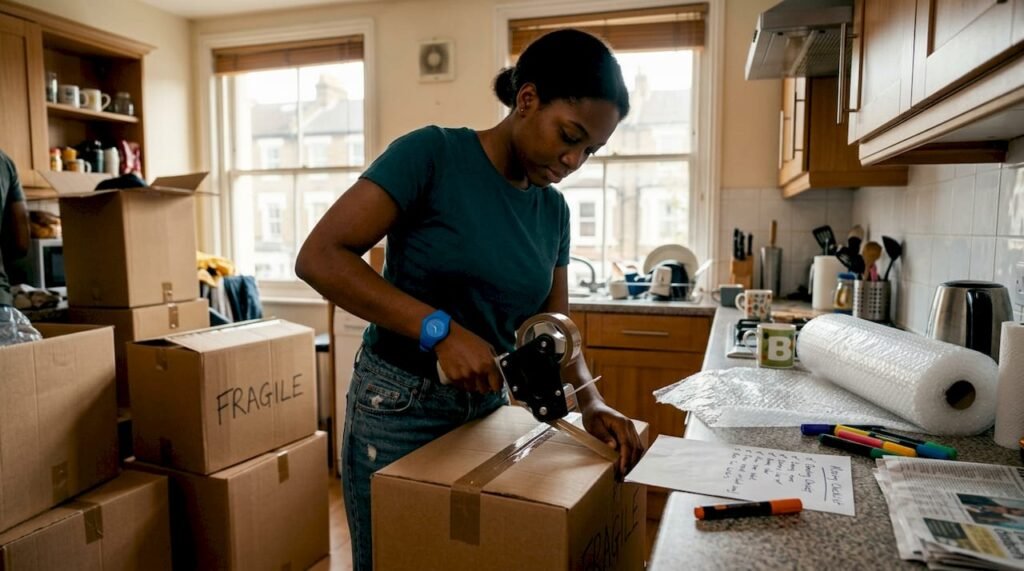
Moving without professional removers means taking full control of packing, transporting, and unloading your belongings while saving money and keeping your schedule flexible. A local professional move averages £1,400, and long-distance moves cost considerably more. That saving is real, but so is the effort required. The good news is that with the right tools, a clear timeline, and solid packing technique, a self-managed move is entirely achievable. This guide covers everything you need to know, from equipment hire to safe loading, so you can move with confidence.
What equipment do you need to move without professional removers?
The right tools make the difference between a safe, efficient move and an exhausting, damaging one. Three items are non-negotiable: a furniture dolly, furniture sliders, and ratchet straps.
- Furniture dolly or hand truck. A standard furniture dolly rents for £10–£20 per day and handles heavy wardrobes, fridges, and washing machines with far less effort. Hand trucks work better for stacked boxes on stairs.
- Furniture sliders. Reusable sliders cost around £10–£20 and sit under furniture legs to glide items across floors. On hardwood floors, sliders are preferable to dollies because they eliminate the risk of scratching.
- Ratchet straps. These are critical for securing loads in the vehicle. Without proper strapping, heavy furniture can shift during transit and become a serious safety hazard. Tape and cardboard are not substitutes.
- Packing materials. Use professional-grade packing paper and bubble wrap. Poor packing leads to breakages that cost more to replace than the materials themselves.
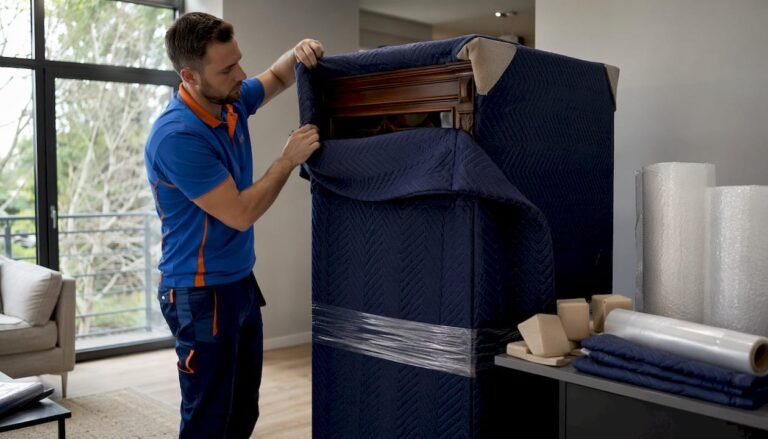
- Protective gear. Moving gloves protect your hands from sharp edges. Furniture blankets prevent scratches on surfaces and walls during loading.
Should you rent or buy?
Renting is the right call for most people doing a one-off move. Dollies, blankets, and straps are available from most van hire companies and tool hire shops. Buying only makes sense if you move frequently or plan to lend equipment to others.
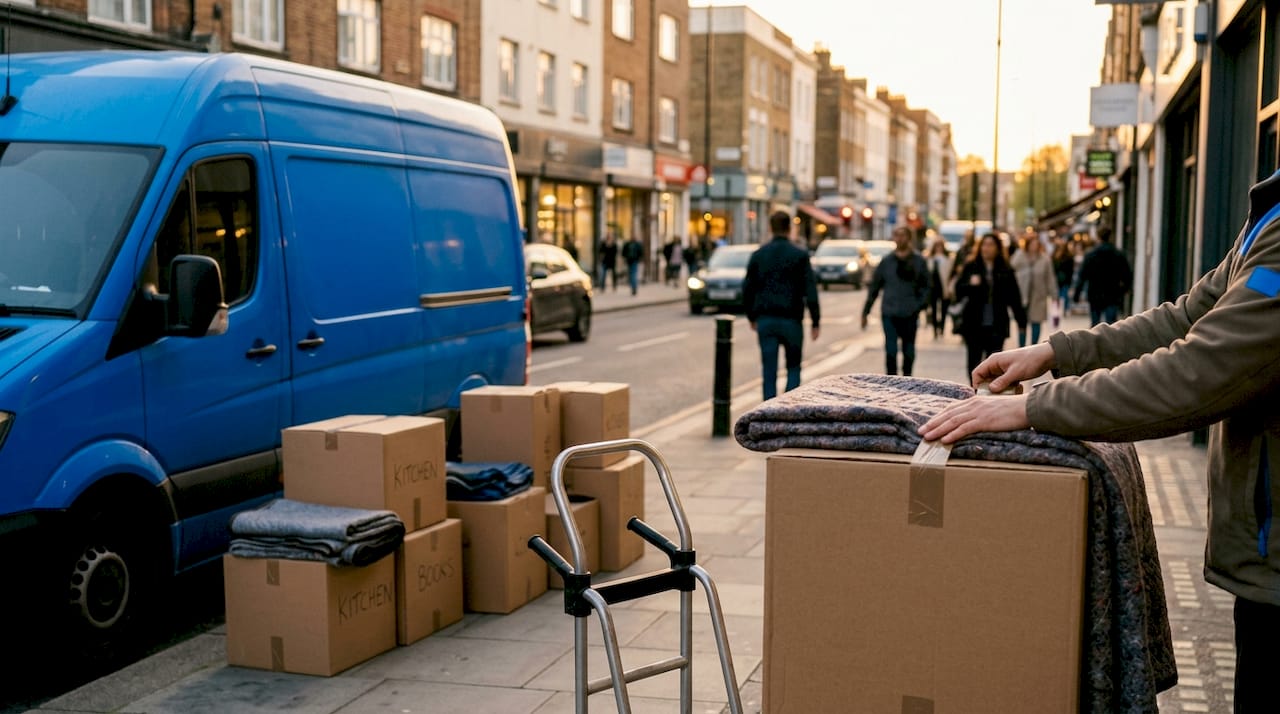
Pro Tip: Prioritise the dolly and ratchet straps above everything else. Skipping these two items is the most common cause of injury and furniture damage on DIY moves.
How should you plan your timeline before moving day?
A well-timed plan is the single biggest factor in a stress-free self-managed move. Start your preparations 6–8 weeks before moving day to give yourself enough time to book equipment, sort belongings, and pack progressively.
- Six to eight weeks out. Book your rental van and any equipment hire. Peak moving periods, particularly summer weekends, see high demand. Booking late means limited choice and higher prices. Use a detailed moving checklist to track every task from this point forward.
- Six weeks out. Begin packing non-essential items: books, off-season clothing, decorative items, and anything stored in the loft. Packing in stages prevents the last-minute panic that causes poor decisions and damaged belongings.
- Four weeks out. Notify your bank, GP, employer, and utility providers of your new address. Arrange parking permits if needed for the van at both addresses.
- Two weeks out. Confirm your van booking. Arrange help from friends or family and give them a clear time and role. Measure all large furniture pieces and compare them against doorway and stairwell dimensions at both properties.
- Moving day. Pack an essentials bag the night before. Include phone chargers, a change of clothes, toiletries, snacks, and any documents you will need on the day.
Measuring furniture and doorways in advance is one of the most overlooked steps in DIY moving. Professionals do it as a matter of course. DIY movers who skip it often find themselves stuck on the doorstep with a sofa that will not fit through.
Pro Tip: Take photos of every room in your current property before you start moving anything. This protects your deposit and gives you a reference if any disputes arise later.
What are the best techniques for packing efficiently when moving without help?
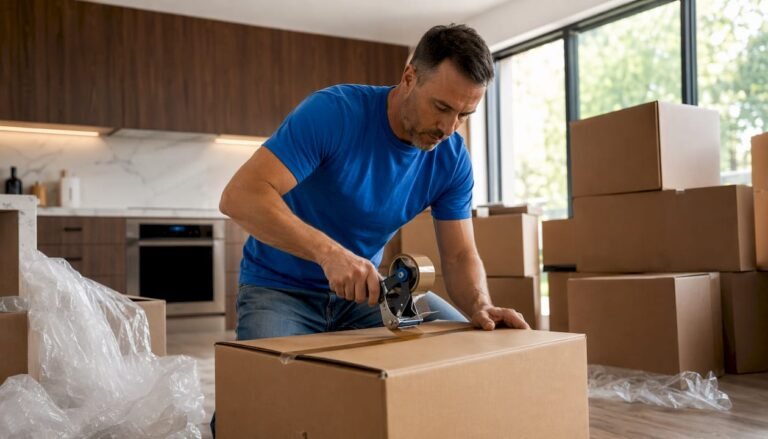
Efficient packing protects your belongings and makes loading significantly faster. Packing with quality materials and clear labelling is the single most effective way to reduce damage and moving-day confusion.
- Pack room by room. Complete one room before starting another. Label every box with its contents and the destination room. This saves time when unloading and means you are not hunting for your kettle at 9PM.
- Use the right box sizes. Heavy items like books go in small boxes. Light, bulky items like bedding go in large boxes. Overloaded boxes split at the bottom and cause injuries.
- Disassemble furniture before moving day. Remove legs from tables, take apart bed frames, and detach shelving units. Smaller pieces are easier to carry, less likely to catch on walls, and take up less space in the van.
- Empty all furniture drawers completely. Leaving clothes in dresser drawers adds excessive weight and uneven stress to the frame. This can break legs or warp the structure during transit.
- Protect fragile items properly. Wrap each piece individually in packing paper or bubble wrap. Stand plates vertically in boxes, as this reduces breakage. Fill empty space with crumpled paper to prevent shifting.
- Keep valuables with you. Passports, jewellery, and important documents should travel in your personal bag, not in the van.
Pro Tip: Photograph fragile or high-value items before packing them. If anything breaks in transit, you have a clear record of its condition before the move.
A moving checklist that saves money will also prompt you to declutter before packing. Fewer items mean fewer boxes, a smaller van, and less time spent loading and unloading.
How do you safely load, transport, and unload your belongings?
Loading a van correctly is a skill. Done well, it protects your belongings, makes the drive safer, and speeds up unloading at the other end.
- Load heaviest items first. Wardrobes, fridges, and washing machines go against the cab wall at the front of the van. This keeps the centre of gravity low and stable during driving.
- Use your dolly for every heavy item. Do not carry heavy furniture by hand if you can wheel it. Lift with your legs, not your back, and use a second person to guide the item onto the dolly.
- Place furniture sliders under legs before moving items across floors. This protects both the floor and the furniture, and it is far easier than lifting.
- Fill gaps with boxes and soft items. Gaps allow furniture to shift in transit. Pack boxes tightly against furniture and use bedding or pillows to fill remaining spaces.
- Secure everything with ratchet straps. Run straps across the load at multiple points. Check tension before closing the van doors.
- Drive carefully. Rental vans are taller and wider than a standard car. Take corners slowly, allow extra braking distance, and check height restrictions before your route.
- Unload in reverse order. Bring out boxes first, then furniture. Lay down cardboard or old blankets in doorways and hallways to protect floors and walls during unloading.
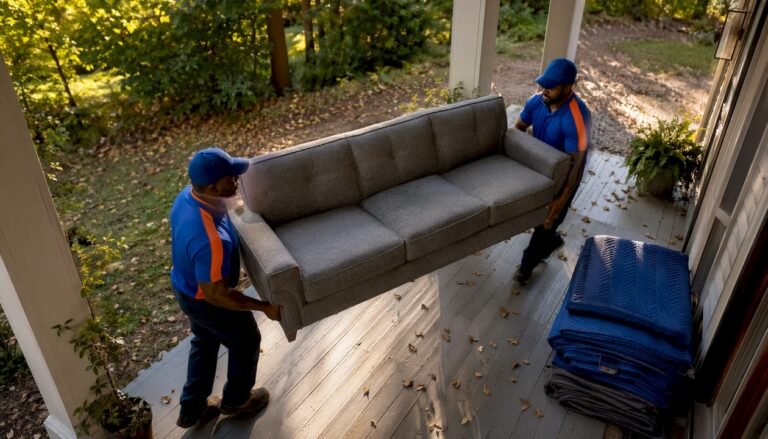
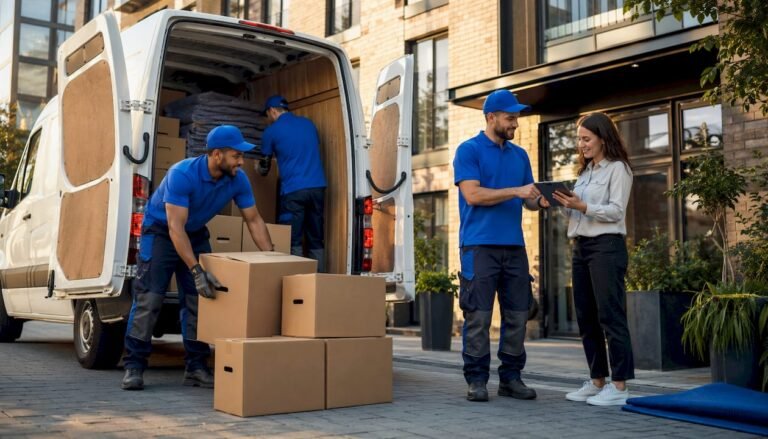
A hybrid approach is worth serious consideration. Combining a rental van with hired loading labour gives you the cost savings of a DIY move while removing the physical strain of the heaviest work. Many people find this the most practical option, particularly for larger properties or when moving without friends to help.
DIY movers consistently underestimate the mental load of managing logistics, route planning, and timing all at once. Professionals handle this as routine. If you feel the pressure building, a man and van service for loading and unloading only is a practical middle ground.
Pro Tip: Park the van as close to the front door as possible at both addresses. Every extra metre of carrying distance adds up significantly over a full day of moving.
Key takeaways
A self-managed move succeeds when you combine the right equipment, a realistic timeline, and careful packing technique from the start.
| Point | Details |
|---|---|
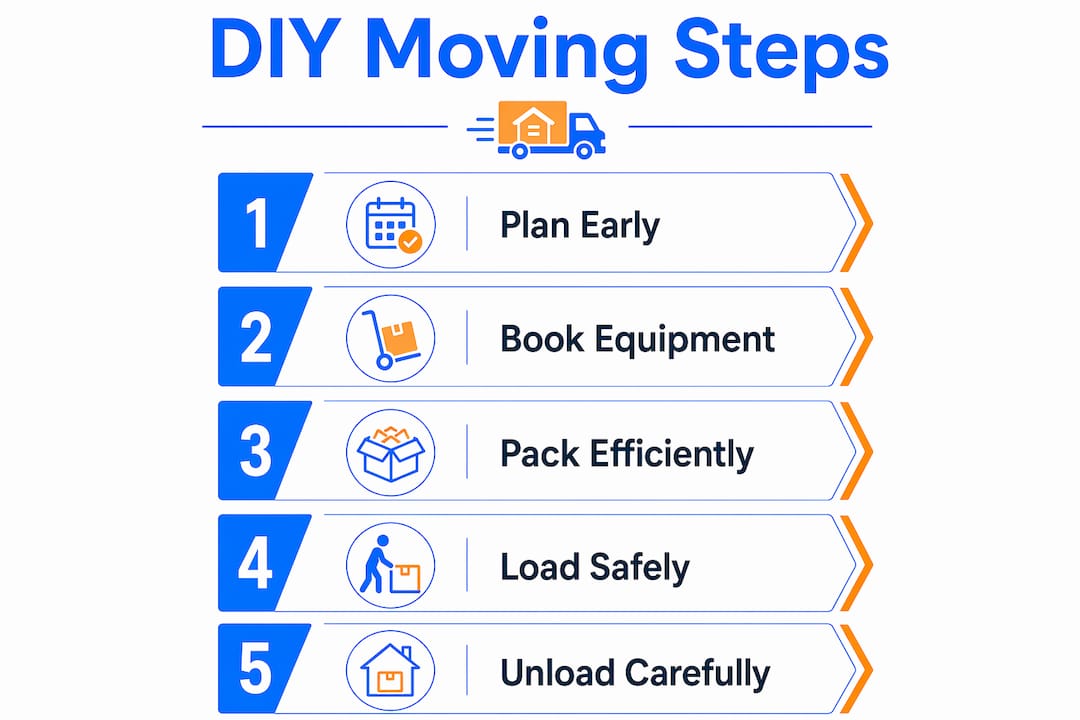
| Start planning early | Begin preparations 6–8 weeks before moving day and book equipment immediately. |
| Use the right tools | A furniture dolly, sliders, and ratchet straps prevent injury and protect belongings. |
| Pack room by room | Label every box clearly and avoid overloading to speed up unloading and reduce damage. |
| Empty all furniture | Remove items from drawers before transit to prevent structural damage to frames. |
| Consider a hybrid move | Hiring labour for loading and unloading only cuts physical strain while keeping costs low. |
What we have learned from helping movers in West London
We have worked with over 1,000 clients across West London, and the pattern is consistent. The people who move without professional removers most successfully are not the ones with the most muscle. They are the ones who planned the furthest in advance.
The biggest mistake we see is underestimating time. A two-bedroom flat that looks manageable on paper routinely takes eight to ten hours for a first-time DIY mover. That is not a criticism. It is simply what happens when you account for disassembly, wrapping, loading, driving, unloading, and reassembly. Build that time into your day honestly.
The second mistake is skipping the hybrid option out of pride. There is nothing wrong with hiring two people to load and unload your van while you manage everything else. It costs a fraction of a full removal service and protects your back. We have seen people injure themselves trying to carry a double wardrobe up a flight of stairs alone. The saving is not worth it.
Our honest advice: do the DIY move if your budget requires it or if you genuinely enjoy the control. But be realistic about what you can carry, how long it will take, and where professional help adds real value without breaking the budget.
— West London removals
When Westlondonremoval can step in and help
Planning a self-managed move but not sure you want to handle everything alone?
Westlondonremoval offers flexible support designed around exactly this situation. Whether you need a reliable man and van in West London for loading and unloading only, or a full house removal service when the job turns out bigger than expected, we can help. Our team is fully insured, available same day in many cases, and transparent on pricing from the first call. Over 1,000 satisfied clients across West London trust us to make moving less stressful. Get in touch for a no-obligation quote and find out how we can fit around your plans.
FAQ
How much can I save by moving without professional removers?
A local professional move averages around £1,400. DIY moving costs are primarily van hire, fuel, and packing materials, which typically come to a fraction of that figure.
What is the most important tool for a DIY move?
A furniture dolly is the single most useful tool. It reduces physical strain on heavy items and significantly lowers the risk of injury during loading and unloading.
How far in advance should I book a rental van?
Book your van at least 6–8 weeks before your moving date. Peak periods such as summer weekends and end-of-month dates see high demand, and late bookings often result in limited availability.
Is it safe to leave clothes in dresser drawers during a move?
Leaving clothes in drawers adds excessive weight and uneven stress to the furniture frame. This can break legs or warp the structure, so emptying all drawers before transit is the safer approach.
What is a hybrid move?
A hybrid move combines a self-hired rental van with professional labour for loading and unloading only. It reduces physical strain and injury risk while keeping overall costs well below a full-service removal.
Recommended
- Why a moving checklist saves money on your move – West London Removal
- Why businesses need specialist movers for office relocations – West London Removal
- Furniture disposal options when moving house: 2026 guide – West London Removal
- The role of removal in an office move: 2026 guide – West London Removal